Indian Society For Technical Education
Institutional Membership ID:2937
ISTE Student Chapter ID:WB15
Know our department
Diploma in Civil Engineering programme of SVSD is designed with an endeavor to create globally competitive and employable engineers. Diploma in Civil Engineering is related to the design, construction, and maintenance of the physically and naturally built environment such as the roads, bridges, canals, dams, and buildings. The major sub-disciplines of the course include the basics of drafting (both manual and computer-aided), planning, surveying, construction technology, estimation and costing, highways, bridges, railways, airports, tunnels, and port engineering. The programme offers the students a conducive and rewarding environment by contributing to seminars, live projects and case studies to pursue the ideas, cultivate the spirit of curiosity and sustain passion for excellence. The perfect blend of Industry Academia environment develops students with practical hands-on sessions offering a dynamic teaching program for creating a vibrant and successful community of professionals who can develop both concept and skill essential for drawing, design, analysis, construction and maintenance of various kinds of Civil Engineering projects; teaching, research for academia. Dedicated faculties of the programme try to implement the software applications such as AUTOCAD & STAAD in Civil Engineering. Civil engineers professionally design and construct industrial plants, buildings, transmission towers/lines, waterworks, river navigation, airport runways, skyscrapers, power plants, irrigation canals, traffic control infrastructure, dams, shipping canals, bridges, and railroads.
Vision of the department
To be the fountain-head of quality education delivering civil engineers empowered with necessary knowledge, skill and personality who can lead the society towards sustainability.
Mission of the department
- M1: To produce civil engineers of high calibre, technical skills and ethical values to serve the society and nation.
- M2: To make the department a centre of excellence in the field of civil engineering and allied research.
- M3: To provide engineering knowledge base services to the community in all areas of civil engineering.
- M4: To promote innovative and original thinking in the minds of budding engineers to face the challenges of future.
- M5: To trained the students to become a desirable engineer for industry and for their overall development & growth.
HOD's Desk

Ms. Sneha Adhikari
H.O.D. , Civil Engineering Department
Swami Vivekananda School of Diploma
Welcome from HOD of the department!
Civil Engineering is one of the core engineering disciplines as well as it is the mother
stream of all engineering disciplines. This discipline involves in each and every step of
human life. Infrastructures of all other disciplines are dependent on Civil Engineering.
The department of Civil Engineering, SVSD comprises of highly qualified, experienced,
knowledgeable as well as young dedicated faculty members. The department has well equipped
laboratories, state of art computer facilities and a perfect ambience for research work.
The faculties of the department are involved in regular experimental work as well as
research work. The department has highly experienced industrial expert and we produce
industry ready candidates by guiding our students as per the industrial requirements,
beyond curriculum courses are delivered through extensive assignments, project works,
industrial training, internship and much more. The department takes care of the overall
development of the students by weekly mentoring system, which in turn facilitates their
development into good human being and responsible as well as quality civil engineers. Our
department encourages students to attend seminars, conferences, competitions, technical
events & regular entrepreneurship programs and also parallely conduct different
departmental events & activities like industrial visits, departmental visits, seminars,
expert lectures & different competitions throughout the academic year. We provide
outcome-based education, where the education is not only theoretical and always try our
best to produce responsible civil engineers with good ethics, to serve our nation and
across the entire world. We develop our students to appear in different competitive exams.
We also trains our students to develop their computer skills as well as the computer
applications in civil engineering and try our best to keep our students updated to learn
the modern planning, design & construction technologies.
Program Education Objectives (PEO)
- To train the students so that they can work and contribute to the infrastructure development projects being undertaken by Govt. and private or any other sector companies.
- To train students in such as a way that they can pursue higher studies so that they can contribute to the teaching profession/ research and development of civil engineering and other allied fields
- To train students in a manner that they should function effectively in the multicultural and multidisciplinary groups for the sustainable development and growth of civil engineering projects and profession.
Program Specific Outcomes (PSO)
- Ready for Practice in Engineering Field- Candidates will be able to apply sound knowledge in all types of Civil Engineering projects by planning, analyzing, designing, laboratory investigations, cost estimation, and construction aspects of civil engineering infrastructure, along with a broad understanding of economic, environmental, societal, health, and safety factors involved in infrastructural development.
- Project Management Skill- Candidates will acquire leadership abilities and will be capable of analyzing entire work activities as well as managing projects in interdisciplinary settings. They will also be able to operate productively both individually and in teams.
Who is the Programme for?
The programme is designed for those who are interested to make a career in
| Major Career Opportunities | Higher Education Opportunities | Alternative Career Options |
|---|---|---|
|
|
|
Program outcomes (PO)
- Basic and Discipline specific knowledge: Apply knowledge of basic mathematics, science and engineering fundamentals and engineering specialization to solve the engineering problems.
- Problem analysis: Identify and analyse well-defined engineering problems using codified standard methods.
- Design/ development of solutions: Design solutions for well-defined technical problems and assist with the design of systems components or processes to meet specified needs.
- Engineering Tools, Experimentation and Testing: Apply modern engineering tools and appropriate technique to conduct standard tests and measurements.
- Engineering practices for society, sustainability and environment: Apply appropriate technology in context of society, sustainability, environment and ethical practices.
- Project Management: Use engineering management principles individually, as a team member or a leader to manage projects and effectively communicate about well-defined engineering activities.
- Lifelong learning: Ability to analyse individual needs and engage in updating in the context of technological changes.
Curriculum Structure (Old Syllabus)
| Categories of Curriculum | Subjects (Old Syllabus) | Breakup of Credits | Total Credits | Percentage of Contribution |
|---|---|---|---|---|
| Basic Science | Mathematics | 5 | 21 | 0.00% |
| Basic Physics | 3 | |||
| Basic Chemistry | 3 | |||
| Applied Physics | 3 | |||
| Applied Chemistry | 3 | |||
| Engineering Mathematics | 4 | |||
| Engineering Science | Engineering Mechanics | 4 | 24 | 16.11% |
| Technical Drawing | 4 | |||
| Computer Fundamentals | 2 | |||
| Strength of Materials | 2 | |||
| Electrical Technology | 2 | |||
| Workshop Practice-I | 2 | |||
| Workshop Practice-II | 2 | |||
| Engineering Drawing | 3 | |||
| Business Economics & Accountancy | 3 | |||
| Humanities | Communication Skill | 3 | 8 | 5.37% |
| Development of Life Skill -I | 3 | |||
| Development of Life Skill -II | 2 | |||
| Program Core | Surveying | 3 | 56 | 37.58% |
| Building Material and Construction | 3 | |||
| Concrete Technology | 3 | |||
| Mechanics of Structure | 4 | |||
| Hydraulics | 3 | |||
| Advanced Surveying | 3 | |||
| Geotechnical Engineering I | 3 | |||
| Transportation Engineering I | 3 | |||
| Estimating and Costing | 3 | |||
| Irrigation Engineering | 3 | |||
| Building Services and Entrepreneurship Development |
3 | |||
| Contract and Accounts | 2 | |||
| Transportation Engg II | 3 | |||
| Design of RCC structure | 4 | |||
| Geotechnical Engineering II | 2 | |||
| Design of Steel Structure | 4 | |||
| Construction and Disaster Management | 3 | |||
| Environmental Engineering | 4 | |||
| Elective Courses | Water Resource Management | 3 | 3 | 2.01% |
| Lab Work | Civil Engineering Drawing | 3 | 24 | 16.11% |
| Civil Engg Lab I | 3 | |||
| Field Survey Practice I | 2 | |||
| Application of CAD in Civil Engineering I | 2 | |||
| Civil Engg Lab II | 2 | |||
| Geotechnical Engineering Lab | 2 | |||
| Civil Engineering Lab III | 2 | |||
| Application of CAD in Civil Engineering II | 2 | |||
| Civil Engg Lab IV | 2 | |||
| Field Survey Practice II | 2 | |||
| Rural Engineering | 2 | |||
| Project/Internship | Civil Engineering Project I | 2 | 4 | 2.68% |
| Civil Engineering Project II | 2 | |||
| Professional Practices | Professional Practices-I | 2 | 8 | 5.37% |
| Professional Practice-II | 2 | |||
| Professional Practice-III | 2 | |||
| Professional Practice-IV | 2 | |||
| Mandatory Course | General Viva-voce | 1 | 1 | 0.67% |
| Total | 149 | 86% | ||
Curriculum Details (old Syllabus)
Curriculum Structure (New Syllabus)
Curriculum Details (New Syllabus)
Laboratories
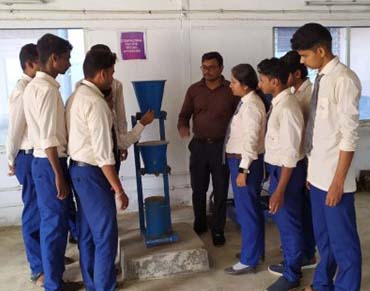
Concrete Technology Laboratory
The students are provided with sufficient
information about the principles of production of concrete material, its
constituents, and behaviors in different environmentThe students are able to
gain knowledge in controlling the quality of fresh and hardened concrete in both
lab and field.Teaching the students for taking into account the sustainability
aspects of producing concrete.......
Concrete Technology Laboratory
- The students are provided with sufficient information about the principles of production of concrete material, its constituents, and behaviors in different environment.
- The students are able to gain knowledge in controlling the quality of fresh and hardened concrete in both lab and field.
- Teaching the students for taking into account the sustainability aspects of producing concrete
Tests conducted
- Fineness test
- Consistency test
- Setting time test
- Compacting factor test
- Soundness test
- Aggregate crushing value
- Slump test
- Compressive strength test

Geotechnical Engineering Laboratory
Students are able to classify the soil based on
index properties of soil.Students can find the field bulk and dry density of
cohesion-less and cohesive soils.Provide knowledge on finding the coefficient of
permeability of coarse grained and fine-grained soils & compressibility
characteristics of soil.Evaluate the shear strength parameters of
soil.......
Geotechnical Engineering Laboratory
- Students are able to classify the soil based on index properties of soil.
- Students can find the field bulk and dry density of cohesion-less and cohesive soil.
- Provide knowledge on finding the coefficient of permeability of coarse grained and fine-grained soils & compressibility characteristics of soil.
- Evaluate the shear strength parameters of soil.
Tests conducted
- Moisture content test
- Grain Size analysis
- Setting time test
- Specific gravity test
- Sand replacement test
- Liquid limit, plastic limit, plasticity index test.
- Standard proctor test
- Vane shear test
- Direct shear test
- Core cutter
- Triaxial test
- Unconfined compressive strength
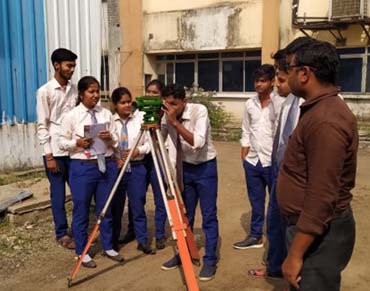
Surveying Laboratory
Students are able to understand the different methods and techniques of surveying like levelling, compass survey, contouring and curve settings etc. and their applications in surveying. Students will be trained enough to use survey instruments in carrying out survey, collect data, write reports and able to perform required calculations to achieve the objective for different types of surveying for different Engineering projects........
Surveying Laboratory
- Students are able to understand the different methods and techniques of surveying like levelling, compass survey, contouring and curve settings etc. and their applications in surveying.
- Students will be trained enough to use survey instruments in carrying out survey, collect data, write reports and able to perform required calculations to achieve the objective for different types of surveying for different Engineering projects.
- Students are made to apply the concept of Tacheometry for surveying in difficult and hilly areas to obtain the topographical map of area.
- Student are able to control the accumulation of errors in projects
Tests conducted
- Chain survey
- Compass survey
- Plane table surveying
- Theodolite surveying
- Total station
- Levelling
- Contour mapping

Hydraulics Laboratory
Students are able to understand about transition and laminar flow of fluid. Students are able to analyse the energy gradient and effects of turbulent flow in pipes. Students are able to explain the concept of Boundary layer. Students are able to understand the flow in open channel and various momentum principles in open channels. ........
Hydraulics Laboratory
- Students are able to understand about transition and laminar flow of fluid.
- Students are able to analyse the energy gradient and effects of turbulent flow in pipes.
- Students are able to explain the concept of Boundary layer.
- Students are able to understand the flow in open channel and various momentum principles in open channels.
- Students cancompute water surface profile by different approaches and to analyse hydraulic jump and energy dissipation.
Tests conducted
- Venturi metre test
- Orifice metre test
- Centrifugal pump
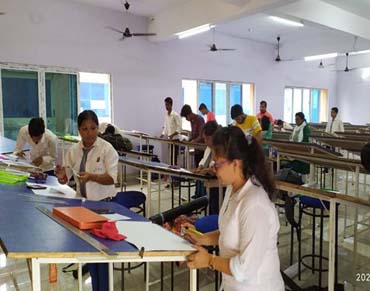
Civil Engineering Drawing Laboratory
Students are able to understand important tools for engineering drawing. Students become familiar with the shapes, angels and lines. Develop student’s imagination and ability to represent the shape size and specifications of physical objects. Students become familiar with different drawing equipment, technical standards and procedures for.........
Civil Engineering Drawing Laboratory
- Students are able to understand important tools for engineering drawing.
- Students become familiar with the shapes, angels and lines.
- Develop student’s imagination and ability to represent the shape size and specifications of physical objects.
- Students become familiar with different drawing equipment, technical standards and procedures for construction of geometric figures.
- Students are also able to put their knowledge using AUTOCAD software.

Environmental Engineering Laboratory
Students are able to determine different
parameters of water and waste water. Students are capable to examine biochemical
oxygen demand and chemical oxygen demand of given samples. Students are able to
understand the technologies required for domestic and industria wastewater
treatment..........
Environmental Engineering Laboratory
- Students are able to determine different parameters of water and waste water.
- Students are capable to examine biochemical oxygen demand and chemical oxygen demand of given samples.
- Students are able to understand the technologies required for domestic and industrial wastewater treatment.
Tests conducted
- Turbidity test
- pH value test
- residual chlorine determination
- Dissolved Oxygen test
- BOD, COD test
- Hardness test

Transportation Laboratory
Students are able to examine the properties of materials used for construction of highways and airports. Students are able to understand the transportation characteristics, operations, design, planning, and maintenance. Students are prepared to collect and analyze of transportation data for use in design...........
Transportation Laboratory
- Students are able to examine the properties of materials used for construction of highways and airports.
- Students are able to understand the transportation characteristics, operations, design, planning, and maintenance.
- Students are prepared to collect and analyze of transportation data for use in design.
- Students are able to prepare formal reports and describing complex design procedures.
Tests conducted
- Aggregate impact value
- Aggregate abrasion value
- California Bearing Ratio
- Flash and fire point test
- Ring ball test
- Ductility test
activity gallery
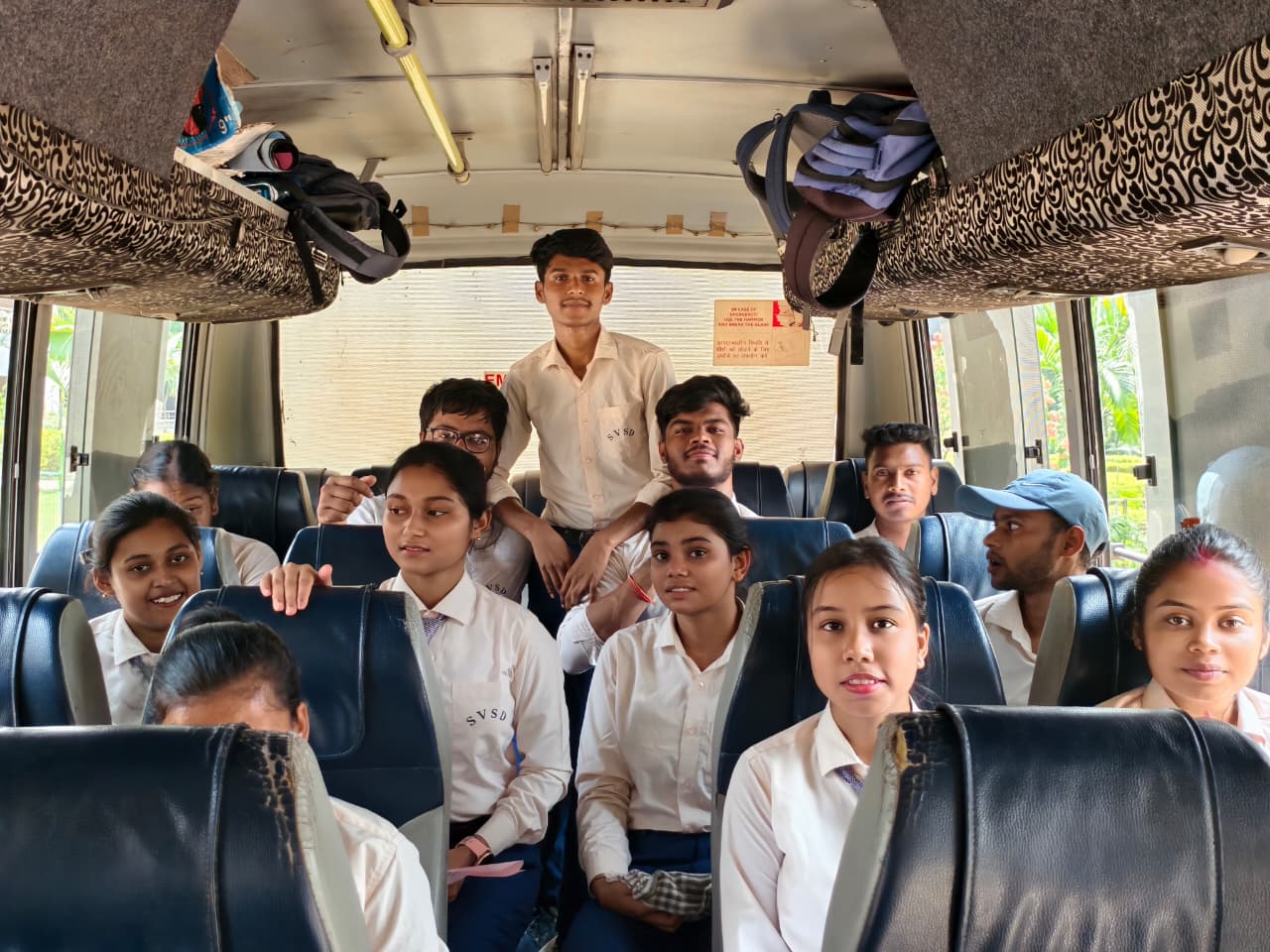
Community Field Visit:
Rural Insight: Field collection Drive
Held by: Department of Civil Engineering
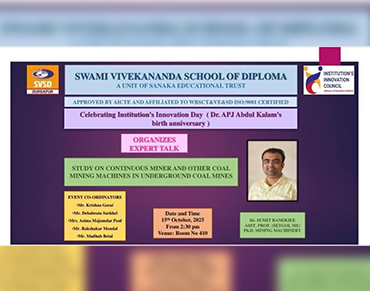
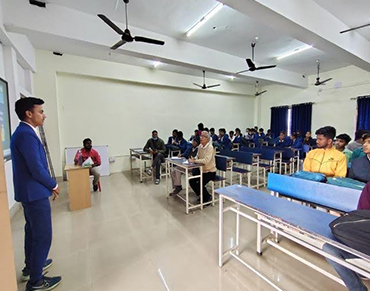
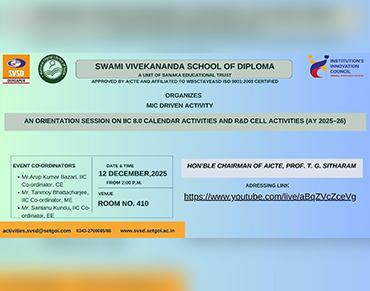
Organizes Expert Talk:
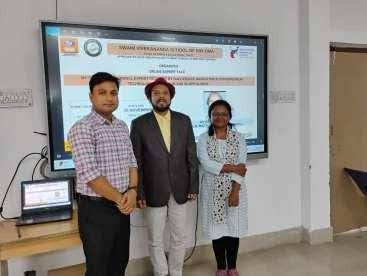
Expert Talk:
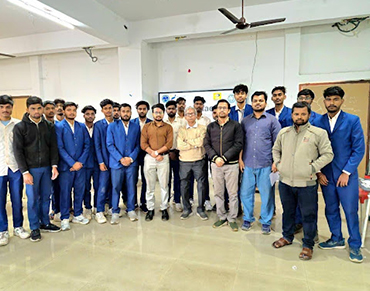
Motivational Expert Sessions:
Mech-Maestro Technical Quiz Competition:
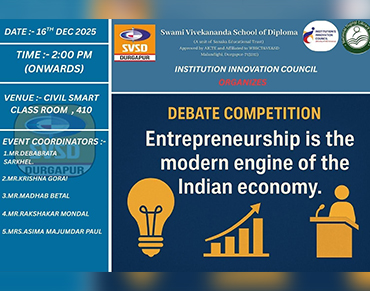
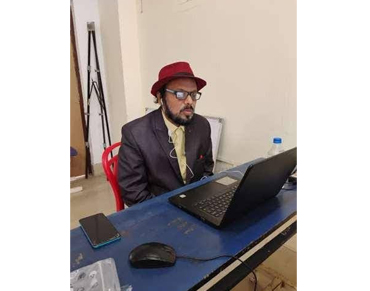
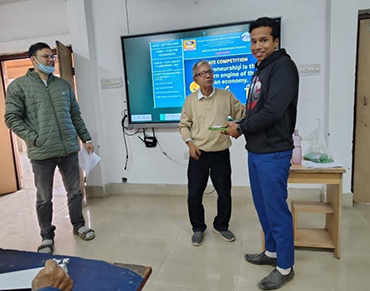
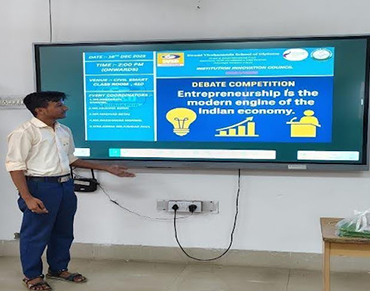
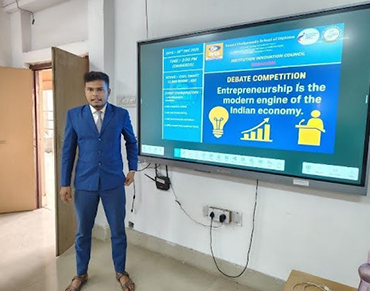
Debate Competition:

Entrepreneurship & Innovation As Career Opportunities:
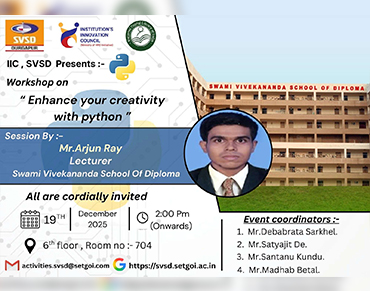
Enhance Your Creativity With Python:
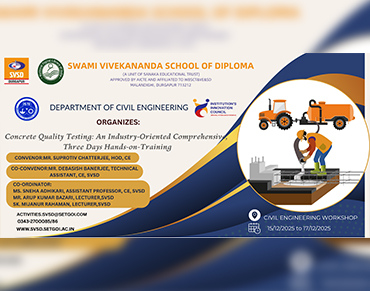
Concrete Quality Testing:
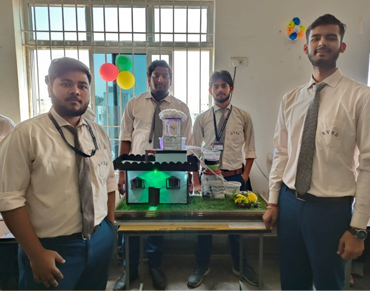
TANTRAJA 2K24:
Participated in Model Presentation in tech-fest “TANTRAJA 2K24” organised by Dr. B.C Roy Polytechnic, Durgapur, on March 6 th & 7 th , 2024.
TANTRAJA 2K24:
Participated in Model Presentation in tech-fest “TANTRAJA 2K24” organised by Dr. B.C Roy Polytechnic, Durgapur, on March 6 th & 7 th , 2024.
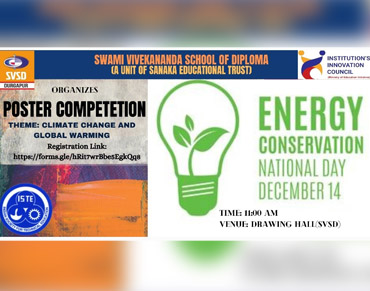
Energy Conservation Day:
It was held on 14th December 2023 and the objective of the event was to celebrate Energy conservation Day was celebrated under ISTE student Chapter and IIC, with a poster Competition, having the theme climate change and Global warning, The students from all department and all the years participated in the event.
Energy Conservation Day:
It was held on 14th December 2023 and the objective of the event was to celebrate Energy conservation Day was celebrated under ISTE student Chapter and IIC, with a poster Competition, having the theme climate change and Global warning, The students from all department and all the years participated in the event.
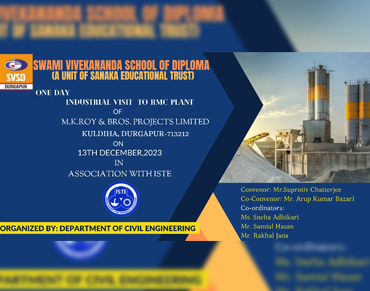
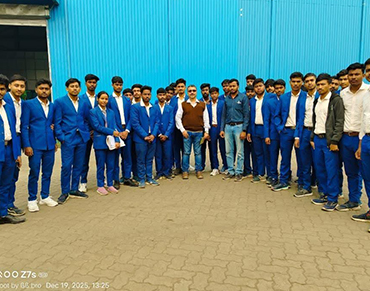
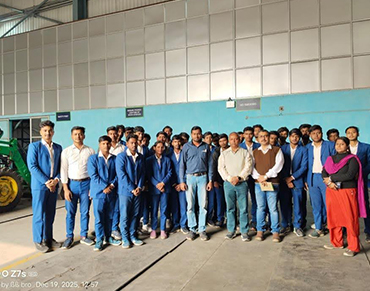
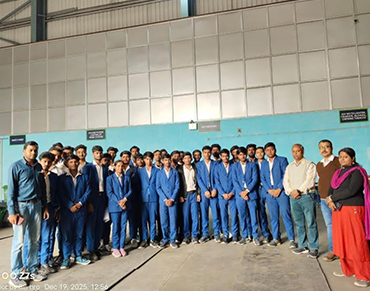
One Day Industrial Visit:
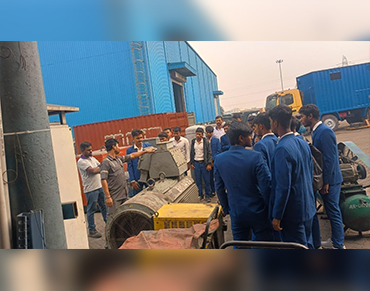
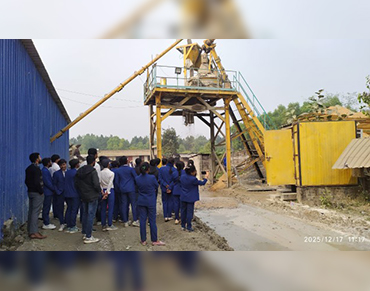
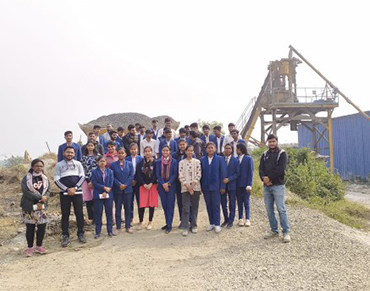
It was held on 13th December 2023 and the event was conducted under ISTE Student Chapter for 3rd Semester and 5th semester students of Civil Engineering Department, The purpose of the visit was to expose them to the working of Batching Plant of Ready Mix Concrete.
One Day Industrial Visit:
It was held on 13th December 2023 and the event was conducted under ISTE Student Chapter for 3rd Semester and 5th semester students of Civil Engineering Department, The purpose of the visit was to expose them to the working of Batching Plant of Ready Mix Concrete.

Mathematics and Reasoning Contest:
It was held on 29th November 2023 and The event was conducted under ISTE Student Chapter ...
Mathematics and Reasoning Contest:
It was held on 29th November 2023 and The event was conducted under ISTE Student Chapter for all the years and all the departments the main purpose was to improve Student’s Mathematics skills, to check their reasoning capacity, to aware them about various other events of the college, to increase their thinking ability.
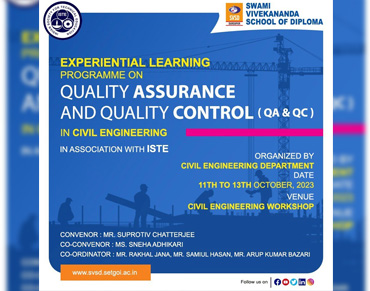
Experimental Learning Programme on Quality Assurance And Quality Control (QA & QC):
It was held on 13th October 2023 and the event..
Experimental Learning Programme on Quality Assurance And Quality Control (QA & QC):
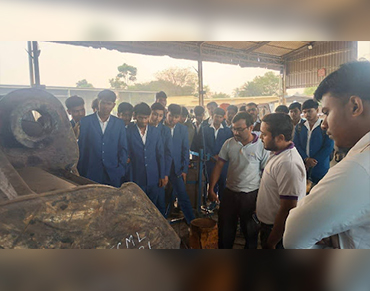
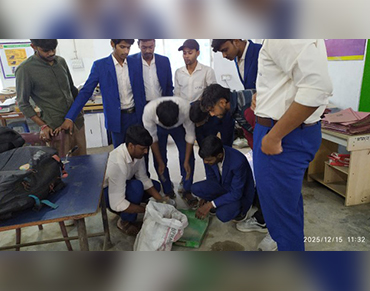
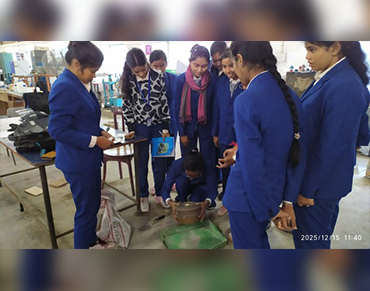
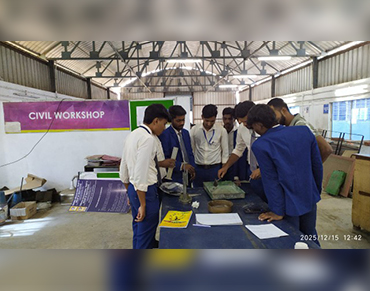
It was held on 13th October 2023 and the event was conducted under ISTE Student Chapter for 3rd Semester and 5th semester students of Civil Engineering Department, the purpose of the event was to make them aware on checking quality and maintaining quality of the concrete according to IS code specification.
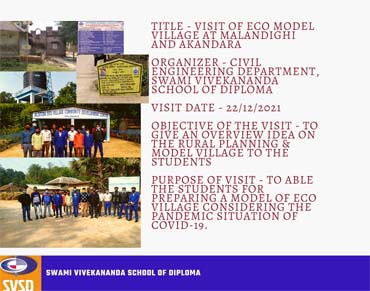
Visit to ECO Model Village:
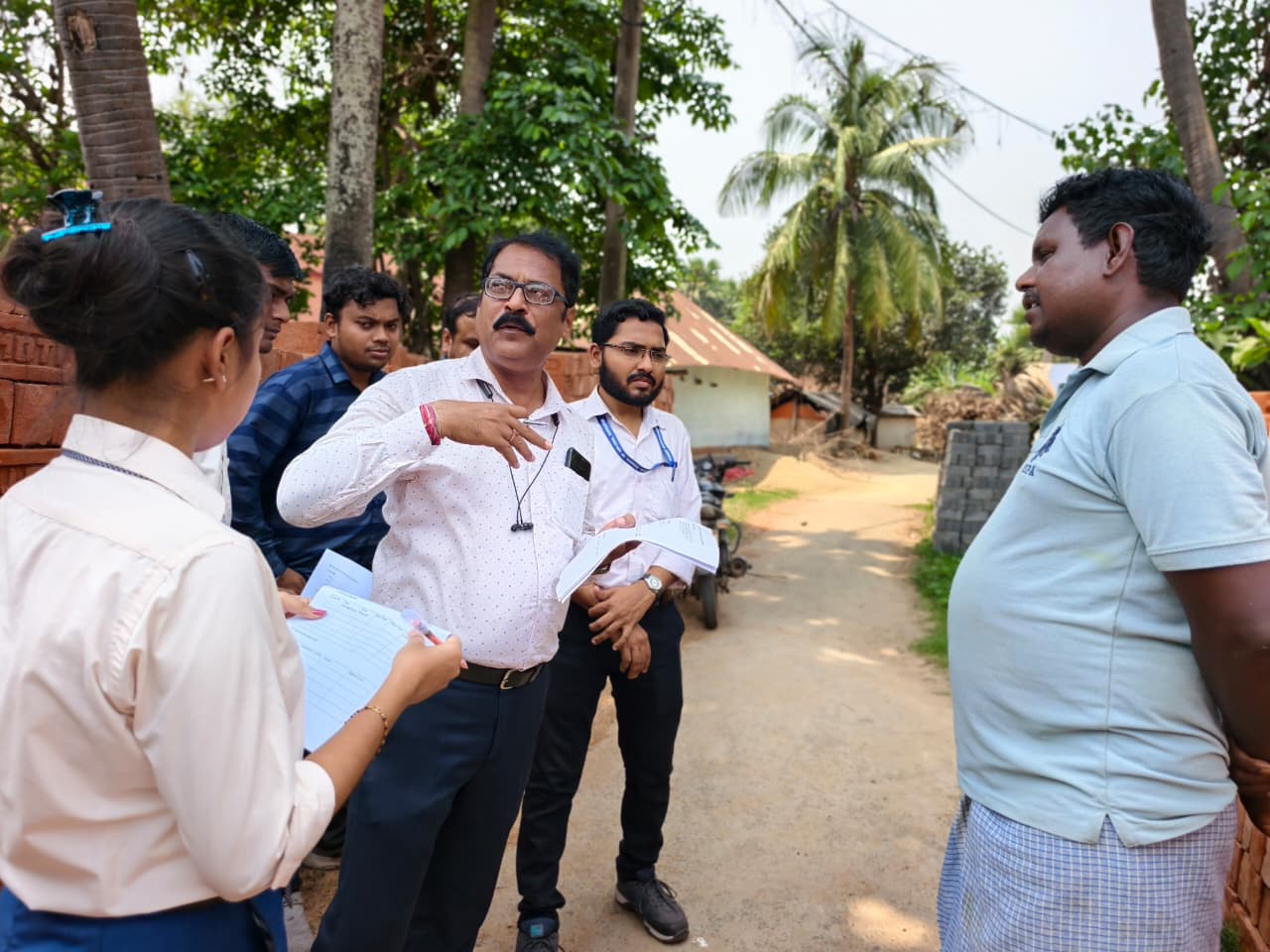
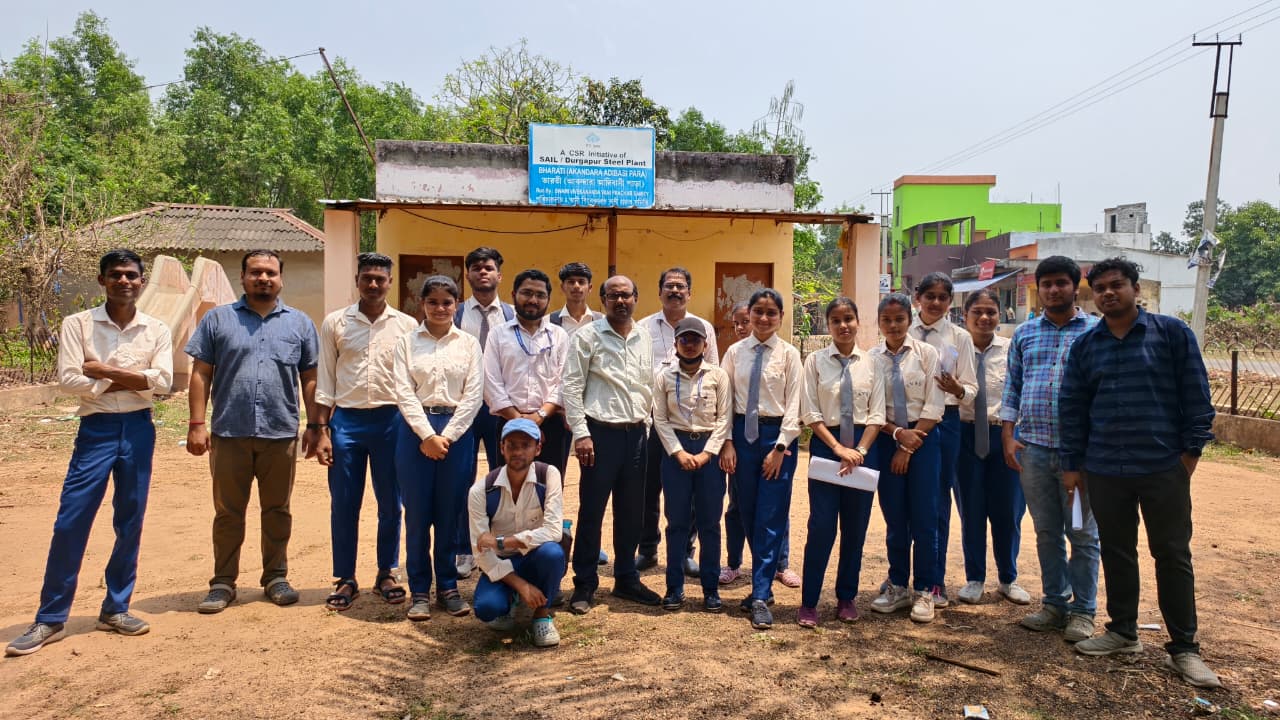
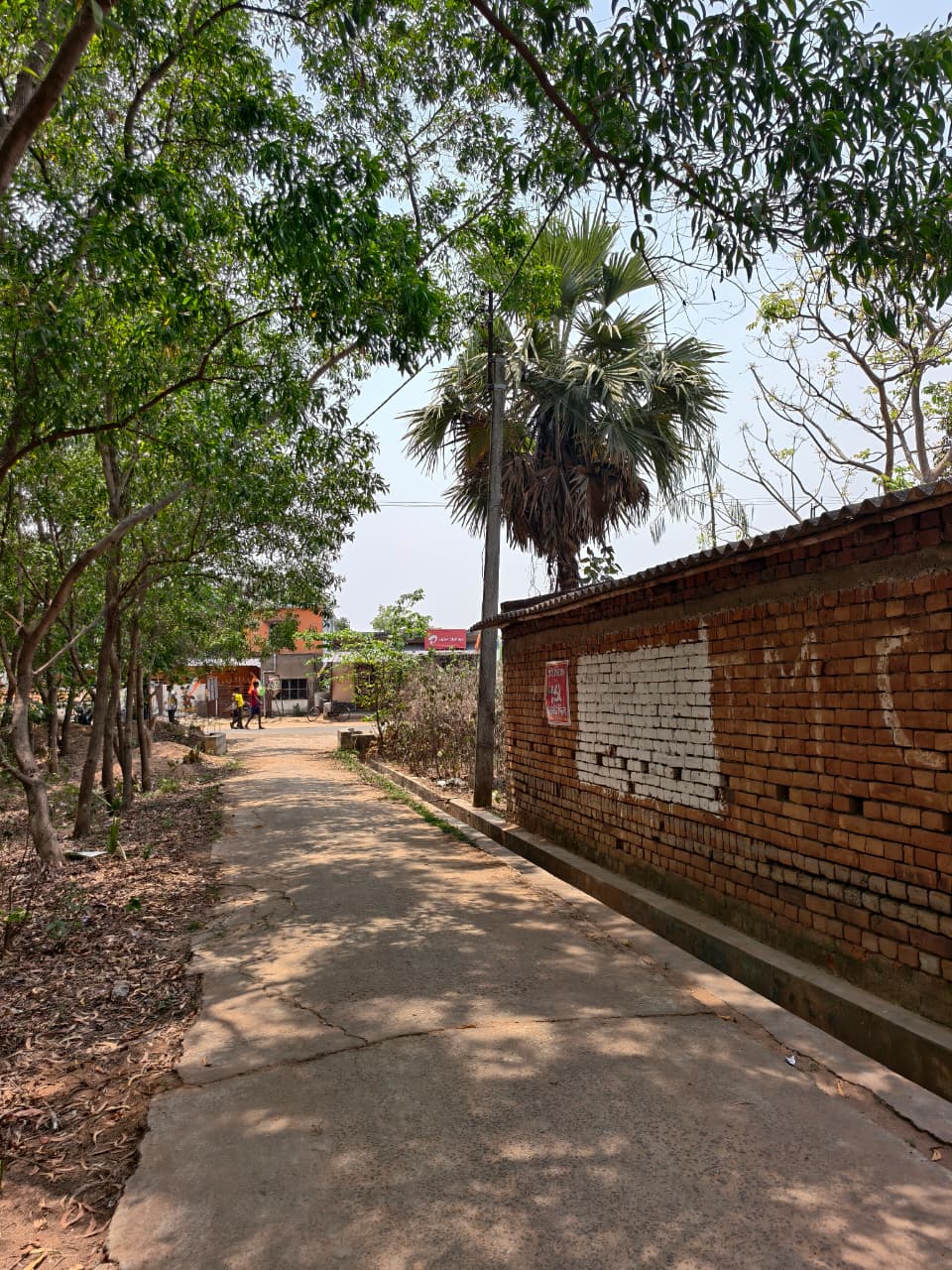
It was held on 22nd December 2021and the objective of the event was to give an overview idea on rural planning and model villages to the students. The purpose of the Eco Model Village was to give the students an overview of rural planning and model villages.
Visit to ECO Model Village:
It was held on 22nd December 2021and the objective of the event was to give an overview idea on rural planning and model villages to the students. The purpose of the Eco Model Village was to give the students an overview of rural planning and model villages.

Visit to Rural Development area:
It was held on 24th August 2021 and the objective of the event was to give an overview idea on rural development to the students. The purpose of the Rural Development was to give the students an overview of Rural Development and to plan and learn and understand the development and planning.....
Visit to Rural Development area:
It was held on 24th August 2021 and the objective of the event was to give an overview idea on rural development to the students. The purpose of the Rural Development was to give the students an overview of Rural Development and to plan and learn and understand the development and planning of low-cost housing infrastructures including roads, irrigation systems, and watershed management. To give the students an overview of rural planning and model villages. Our organizer was the Civil Engineering Department of Swami Vivekananda.

Visit to manufacturing unit of fly ash brick:
It was held on Date: 25th May 2022 and the purpose of the manufacturing unit of fly ash brick was to introduce the students to the raw materials as well as the manufacturing process of a modern construction material that is fly ash bricks, due to its wide utilization.....
Visit to manufacturing unit of fly ash brick:
It was held on Date: 25th May 2022 and the purpose of the manufacturing unit of fly ash brick was to introduce the students to the raw materials as well as the manufacturing process of a modern construction material that is fly ash bricks, due to its wide utilization in construction projects instead of clay bricks.
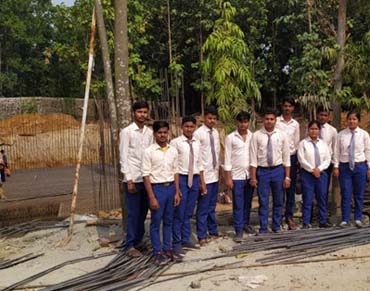
Visit to construction site
It was held on Date: 28th October 2022 and the purpose of visiting the construction site was to know students of the practical application of their studies and make the course more interesting for future scope and allow them to .....
Visit to construction site
It was held on Date: 28th October 2022 and the purpose of visiting the construction site was to know students of the practical application of their studies and make the course more interesting for future scope and allow them to gain knowledge on the process of project management, modern construction technologies &equipment, reading drawings, a fair idea about the different elements used in the construction field and the safety measures.

Teacher’s Day celebration
Our college celebrated Teachers’ Day on the 5th of September organized by the final year students of all the branches B.tech, B.Arch, Diploma, and B.pharm with great enthusiasm to honor the teachers who put so much effort into shaping our Student’s Future......
Teacher’s Day celebration
Our college celebrated Teachers’ Day on the 5th of September organized by the final year students of all the branches B.tech, B.Arch, Diploma, and B.pharm with great enthusiasm to honor the teachers who put so much effort into shaping our Student’s Future. The teachers and students gathered in the auditorium which was beautifully decorated with flowers, gifts, cards, banners, and festoons to surprise all the teachers. The program started at 11 a.m. with a prayer song. The principal of the college Mr. Suman Pramanik and our honorable Registrar presided over the function. they put a garland on the photograph of Sarvepalli Radhakrishnan to pay him homage. Then the Principal congratulated the teachers and acknowledged the sincere efforts they put in every day. He gave a valuable speech on Dr. Radhakrishnan and explained the importance of Teachers’ Day. All the teachers enjoyed and appreciated the program.

Show your skills in english
The Seminer Hall hosted the competition called "Show Your Skills in English" on February 1st, 2023. This programme is organised by Mr. Krishanu Banerjee (Sr. Lecturer, BASIC SCIENCE AND HUMANITIES DEPT).......
Show your skills in english
The Seminer Hall hosted the competition called "Show Your Skills in English" on February 1st, 2023. This programme is organised by Mr. Krishanu Banerjee (Sr. Lecturer, BASIC SCIENCE AND HUMANITIES DEPT). The primary goal of this competition is to provide a platform for demonstrating English proficiency. Mainly Students of Diploma 1st Semester were chosen to be a part of this event.This event was particualrly for them as they are new to this college . So to adapt with the competitive athmosphere this kind of event will be helpful to them .
3 types of events were selected for them :
- Picture Composition
- Short paragraph Writing
- Report Writing

National Energy Conservation Day
National Energy Conservation Day Celebration was
organized
on 14 th December,2022.This programme is oprganized by
Mr. SOUMYA KANTI DUTTA (BASIC SCIENCE AND HUMANITIES)
The real objective for
organizing this event was to raise awareness of the following points:
National Energy Conservation Day
National Energy Conservation Day Celebration was organized on 14 th December,2022.This programme is oprganized by Mr. SOUMYA KANTI DUTTA (BASIC SCIENCE AND HUMANITIES).
The real objective for organizing this event was to raise awareness of the following points:
- To spread awareness on efficient energy use and conservation.
- Encouraging students to think about developing innovative solutions.
- Spreading Awareness on Global warming and climate change
- Making efforts on saving energy resource.
- Contribution of our nation towards energy conservation.
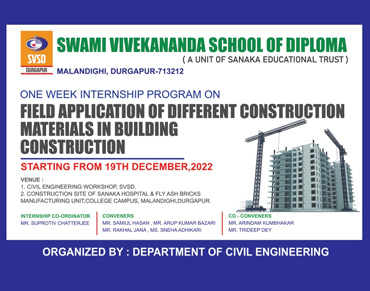
FIELD APPLICATION OF DIFFERENT CONSTRUCTION MATERIALS IN BUILDING CONSTRUCTION
The Department of civil Engineering, Swami Vivekananda School of diploma had organized an one week internship programme on "FIELD APPLICATION OF DIFFERENT CONSTRUCTION MATERIALS IN BUILDING CONSTRUCTION" from 19th December - 23rd December, 2022.........
FIELD APPLICATION OF DIFFERENT CONSTRUCTION MATERIALS IN BUILDING CONSTRUCTION
The Department of civil Engineering, Swami Vivekananda School of diploma had organized an one week internship programme on "FIELD APPLICATION OF DIFFERENT CONSTRUCTION MATERIALS IN BUILDING CONSTRUCTION" from 19th December - 23rd December, 2022.
OBJECTIVES OF THE EVENT:
- To give an overview idea about the working system as well as organization structure of a construction project to the students.
- To introduce the function and field application of some basic and most common construction materials used in building construction with the students.
- To give a brief idea about the industrial environment and civil engineering activities to the students.
- To provide the practical knowledge of civil engineering work as well as to understand the practical application of the theoretical subjects of the civil engineering in the fields.
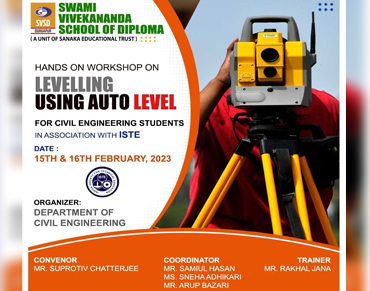
Hands on Workshop on “Levelling Using Auto Level”
The Department of civil Engineering, Swami Vivekananda School of diploma had organized an one week internship programme on "Hands on Workshop on “Levelling Using Auto Level" from 15th February - 16th February, 2023 OBJECTIVES OF THE EVENT:
- To introduce the students with working principle of Auto Level in Surveying.
Hands on Workshop on “Levelling Using Auto Level”
The Department of civil Engineering, Swami Vivekananda School of diploma had organized an one week internship programme on "Hands on Workshop on “Levelling Using Auto Level" from 15th February - 16th February, 2023.
OBJECTIVES OF THE EVENT:- To introduce the students with working principle of Auto Level in Surveying.
- To give an overview idea on the field application of Levelling.
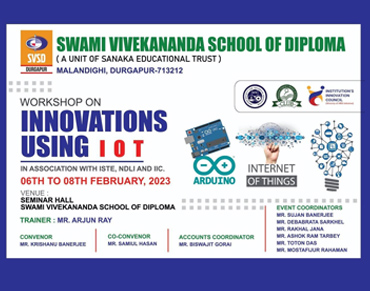
WORKSHOP ON “INNOVATIONS USING IOT”
Our college had organized an workshop on
"INNOVATIONS USING IOT" from 6 th to 8 th February 2023...........
WORKSHOP ON “INNOVATIONS USING IOT”
Our college had organized an workshop on "INNOVATIONS USING IOT" from 6 th to 8 th February 2023.
OBJECTIVES OF THE EVENT:
- To make awareness about internet of things (IOT) in student’s mind.
- To build the concepts of IOT in student’s mind.
- To encourage the students to make innovations using IOT’s principle.

INTERNATIONAL WOMEN'S DAY CELEBRATION-2023
Our college had organized seminar program on the occasion of international women's day on 8 th March, 2023.........
Our college had organized seminar program on the occasion of international women's day on 8 th March, 2023.
OBJECTIVES OF THE EVENT:
- To celebrate the progress made towards achieving gender equality and women's empowerment.
- To critically reflect on those accomplishments and strive for a greater momentum towards gender equality worldwide.
- To celebrate women's achievements
- To raise awareness about gender inequities.
- To increase support for women worldwide.
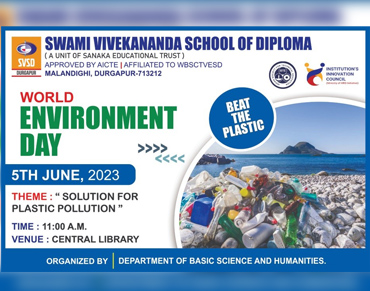
WORLD ENVIRONMENT DAY-2023
Our college had organized seminar program on the
occasion of World Environment Day on 5 th June, 2023..........
Our college had organized seminar program on the occasion of World Environment Day on 5 th June, 2023..........
OBJECTIVES OF THE EVENT:
- To celebrate the progress made towards achieving gender equality and women's empowerment.
- To critically reflect on those accomplishments and strive for a greater momentum towards gender equality worldwide.
- To celebrate women's achievements
- To raise awareness about gender inequities.
- To increase support for women worldwide.

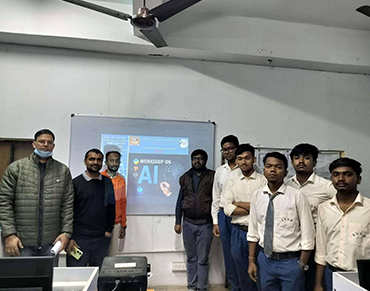
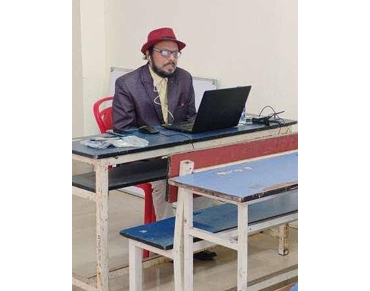
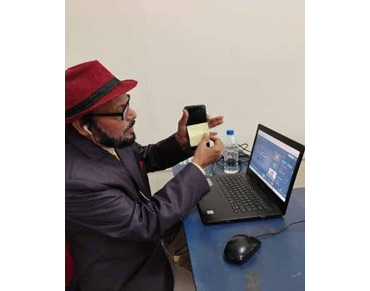
Workshop On AI: